

青青青青久久精品国产h久久精品&欧洲精品无码一区二区三区在线播放&久9视频这里只有精品123&亚洲欧洲一区精品视频&久久国产还是这里有精品视频&亚洲精品大全在线观看&8x拔播拔播x8国产精品

  • 400-655-5028
Differences Among Treated Wood, PE Wood-Plastic Composites, and Reconstituted Ba
Release time:2020-09-02 16:08:26 | Views:

1640679108100827.jpg

What Are Treated Wood, PE Wood-Plastic Composites, and Reconstituted Bamboo?

Treated Wood

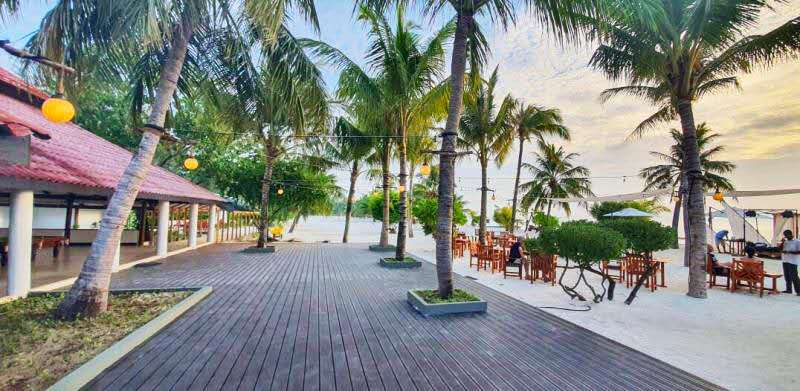
Treated wood is ordinary timber that has been infused with chemical preservatives to provide resistance against decay, moisture, fungi, insects, termites, mold, and water. It is suitable for direct contact with soil and humid environments.

PE Wood-Plastic Composite 

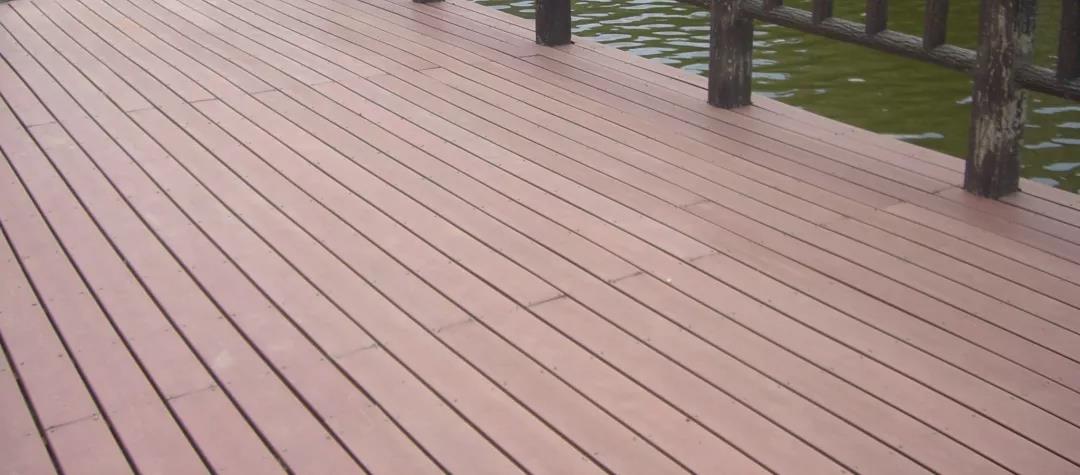
PE wood-plastic composite refers to a composite material made by using polyethylene (PE), polypropylene (PP), or polyvinyl chloride (PVC) as substitutes for traditional resin adhesives. These are mixed with 35%–70% wood flour, rice husk, straw, or other waste plant fibers. The mixture is then processed through extrusion, compression molding, or injection molding to form what is known as extruded WPC.

Reconstituted Bamboo

Reconstituted bamboo uses Phyllostachys edulis (moso bamboo) as its main raw material. Through modern equipment and processes—including dehumidification, drying, anticorrosion, moisture protection, gluing, high-pressure forming, and planing—it is manufactured into a new type of flooring material.

1640679163956897.jpg

Characteristics of Treated Wood

Advantages

  • Natural and safe

  • Resistant to decay, mold, insects, and termites

  • Enhances the dimensional stability of wood

  • Meets a wide range of landscape design requirements

Disadvantages

  • Lower stability, wear resistance, water resistance, and density

  • Prone to thermal expansion and contraction, rotting, and cracking

  • Requires high maintenance costs in later stages

  • Not environmentally friendly

  • Rising raw material costs

1640679180453167.jpg

Characteristics of PE Wood-Plastic Composite

Advantages

  • Environmentally friendly

  • High hardness and good stability

  • Excellent wear resistance and water resistance

  • Fire-retardant and corrosion-resistant

Disadvantages

  • Prone to breakage (WPC typically contains 16–20% porosity)

  • Easily oxidized, with surface peeling over time

  • Tends to fade with long-term outdoor exposure

  • Susceptible to warping under prolonged heat or sunlight

  • Limited color options

  • Poor resistance to oxidation and photodegradation, even with additives

  • Reduced mechanical strength and color fastness over time

  • Shorter service life in outdoor environments

1640679195423863.jpg

Characteristics of Reconstituted Bamboo

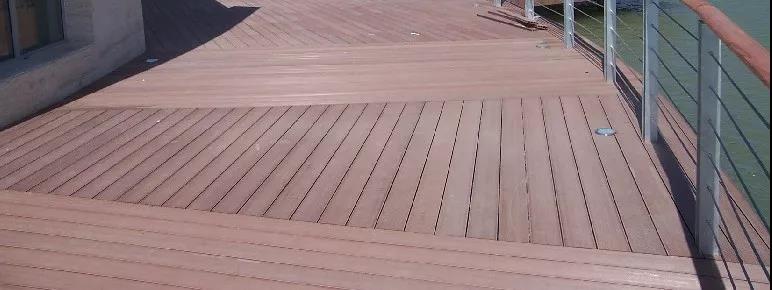
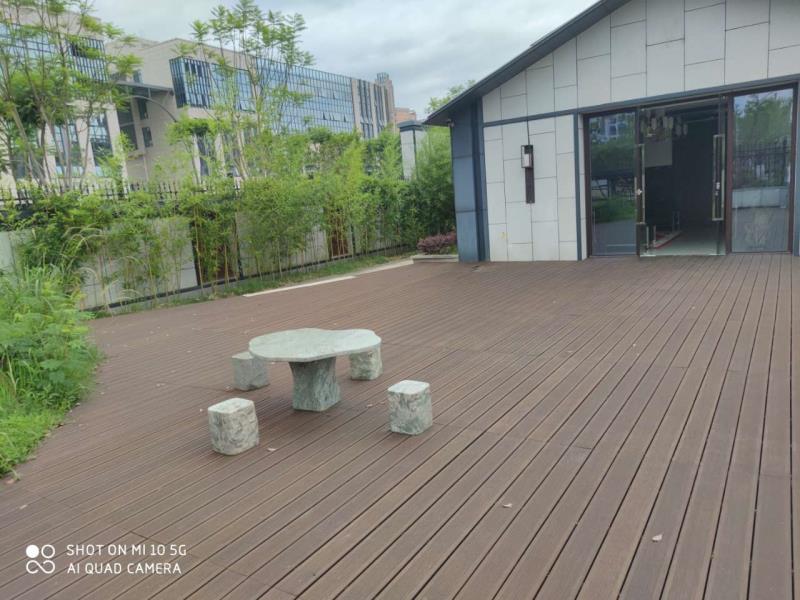
Reconstituted bamboo has inherent resistance to decay and can reach Durability Class I even without added preservatives. It features a natural and clear grain pattern, is environmentally friendly, and meets the material requirements of landscape projects. It is widely used in boardwalks, docks, pavilions, courtyards, corridors, and other outdoor landscape structures.

Thanks to carbonization treatment, it also provides reliable mold resistance. Its greatest strength lies in the efficient use of bamboo fibers—maximizing material utilization while preserving the original mechanical properties of bamboo.

In Summary

Compared with treated wood and PE wood-plastic composites, reconstituted bamboo demonstrates superior overall performance. For this reason, it is poised to become the mainstream choice for future outdoor decking materials.